The Emergence of Glycobiology: Advancing Precision Medicine Through Glycan Characterization and Evaluation

Introduction

In current years, the field of glycobiology has emerged as a essential side of research, focusing at the be trained of carbohydrates and their complex roles Website link in biological programs. The upward push of glycobiology is transforming our expertise of cellular interactions and has opened new avenues for the improvement of custom-made drugs. By using improved recommendations akin to glycan profiling and prognosis, researchers are uncovering the difficult relationships among glycosylation styles and a number of ailment states. This article delves into the major factors of glycobiology, exploring its value in crafting customized treatment thru glycan profiling and research.

The Rise of Glycobiology: Crafting Personalized Medicine Through Glycan Profiling and Analysis

Glycobiology is a multidisciplinary discipline that encompasses a large number of locations together with glycomics, glycoproteomics, and carbohydrate-protein interactions. The rise of this field can also be attributed to its workable to elucidate the position of carbohydrates in future health and affliction. Understanding these carbohydrate constructions is central for growing distinctive healing procedures, in particular in situations in which protein glycosylation performs a pivotal role.

Understanding Glycosylation

What is Glycosylation?

Glycosylation refers to the biochemical activity the place carbohydrates, or glycans, are hooked up to proteins or lipids. This put up-translational modification (PTM) radically influences protein folding, stability, and purpose. The complexity of glycosylation arises from the distinct platforms that glycans can adopt, prompted by means of points comparable to mobile form and developmental level.

Types of Glycosylation

There are two accepted kinds of glycosylation:

  • N-Linked Glycosylation: Involves attaching glycans to the nitrogen atom in asparagine residues.
  • O-Linked Glycosylation: Involves attaching glycans to the oxygen atom in serine or threonine residues.
  • Each class performs awesome roles in cell functions and contributes to the molecular diversity talked about in glycoproteins.

    Glycoproteomics: Unraveling Protein Structures

    Glycoproteomics is an extension of proteomics that focuses exceptionally on reading glycoproteins—proteins with attached carbohydrates. This area utilizes mass spectrometry for glycans to pick out glycopeptides and represent their glycan structures.

    Significance of Glycoproteomics

    The analysis provided through glycoproteomics gives insights into how changes in glycosylation can make contributions to diseases such as cancer. For occasion, differences in one of a kind carbohydrate antigens on tumor-related proteins may just have an impact on immune responses.
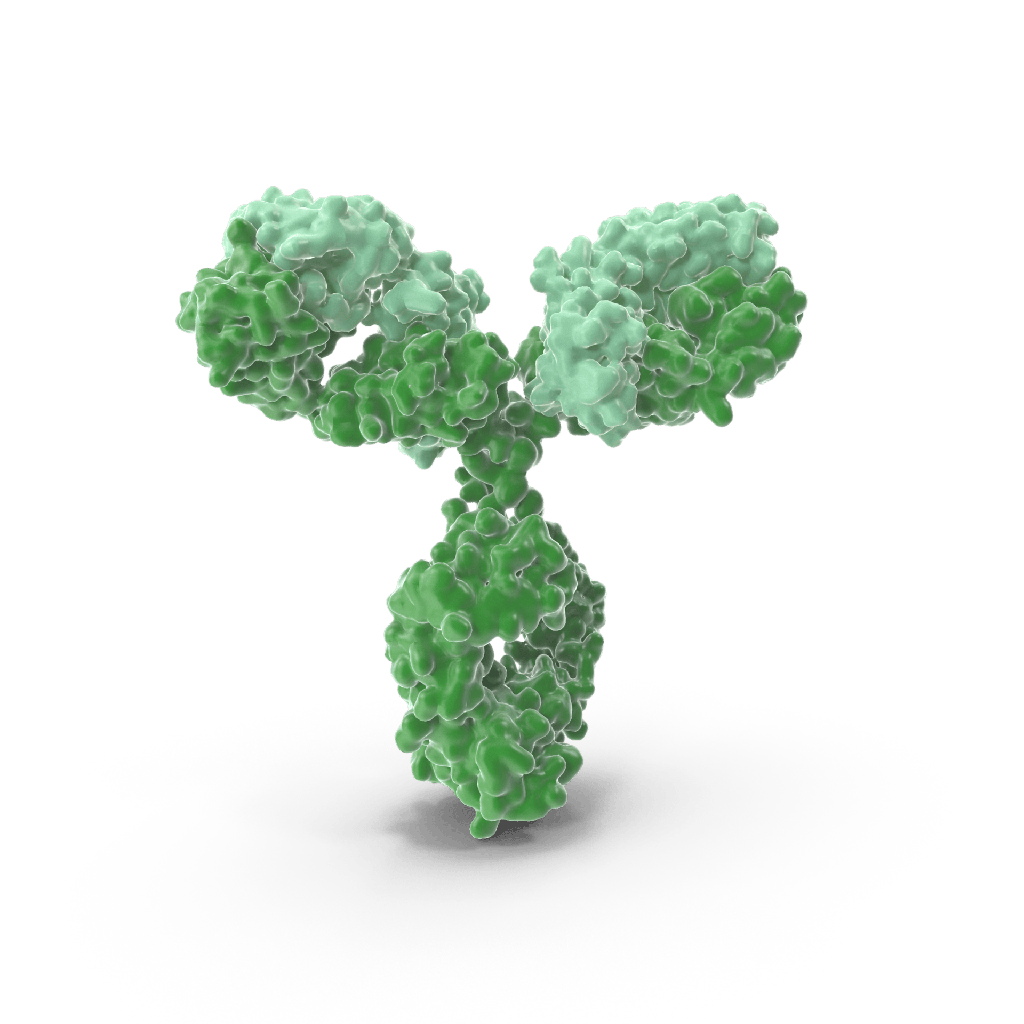
    Carbohydrate-Protein Interactions: A Key Focus Area

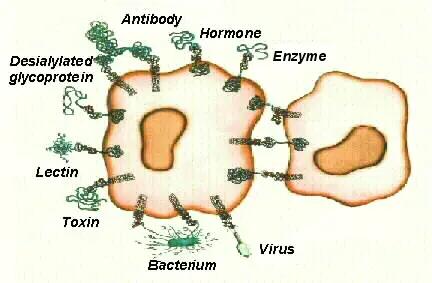
    Understanding carbohydrate-protein interactions is essential for greedy how cells keep in touch with each and every different. These interactions are mediated with the aid of lectins—proteins that bind to particular carbohydrates—and might set off quite a number signaling pathways critical for mobile hobbies.

    Implications for Drug Development

    The means to map these interactions opens up new alternatives for healing interventions focused on ailments characterised by aberrant carbohydrate reputation tactics.

    Exploring Glycomics: The Comprehensive Study of Glycans

    Glycomics encompasses the finished learn about of all glycans inside of a given organic system. It comprises methods like glycan mapping and profiling that let researchers to have an understanding of how differences in glycan expression correlate with disorder states.

    Applications of Glycomics

    The implications for personalized medication are profound; changes in exotic’s glycomic profiles can booklet therapy processes tailor-made mainly for them.

    Glycan Mapping Techniques

    Glycan mapping is an very important thing in awareness the structural diversity between glycans. Various analytical suggestions are employed:

  • Mass Spectrometry: Provides exact records about mass-to-price ratios enabling identity of various glycoforms.
  • HPLC (High-Performance Liquid Chromatography): Separates unique glycans elegant on size or payment.
  • Glycan Arrays: Facilitate top-throughput screening of carbohydrate interactions with proteins or antibodies.
  • Advancements in Glycoengineering

    Glycoengineering ambitions at editing carbohydrate constructions attached to proteins deliberately. This manipulation holds promise for reinforcing therapeutic efficacy particularly involving monoclonal antibodies.

    Monoclonal Antibodies and Their Modifications

    Monoclonal antibodies constitute a vast advancement in therapeutics yet require careful attention on the topic of their glycosylation profiles due to the fact that they may influence pharmacokinetics and immunogenicity.

    Development of Glycan-Based Therapeutics

    The growth landscape has incorporated ingenious methods employing glycan-elegant therapeutics concentrating on specified sicknesses at the same time minimizing off-goal effects related to everyday treatments.
    Examples:

  • Therapeutic Glycoproteins: Modifications raise efficacy.
  • Glycoconjugates: Serve as vaccines or adjuvants through their means to imitate pathogens.
  • Harnessing Cell-Surface Glycoproteins

    Cell-floor glycoproteins play pivotal roles in cellular signaling strategies affecting immune response mechanisms notably influencing therapeutic effects.

    Role in Immune Response

    Understanding these interactions supports enhance better vaccines using glycobiology concepts, accordingly modifying immune preservation in opposition to a range of pathogens.

    Post-Translational Modifications (PTMs) Beyond Glycosylation

    While this newsletter primarily specializes in glycosylation, it’s primary additionally to agree with different PTMs that have an impact on protein functionality including phosphorylation or ubiquitination which in most cases work synergistically with glycosylation techniques.

    Utilization of Enzyme-Linked Immunosorbent Assay (ELISA)

    ELISA serves as a natural process used for quantifying specific proteins or antibodies inside a sample exploiting antibody-glycan binding interactions which supply insights into sickness mechanisms founded on protein variations present inside of a affected person sample contextually suitable towards personalized treatment techniques relocating forward.

    Role of Glycosyltransferases in Carbohydrate Synthesis

    Glycosyltransferases are enzymes accountable for including sugar moieties onto target molecules thereby developing problematical carbohydrate constructions which further dictate cellular applications by the use of signaling pathways initiated upon ligand-receptor engagement within physiological contexts encountered for the time of healing interventions designed around custom-made medicinal drug paradigms dependent by entire analyses mentioned before herein this discourse established upon “The Rise Of Glycobiology”.

    Frequently Asked Questions (FAQs)

  • What is glycobiology?
    • Glycobiology studies carbohydrates’ roles within organic approaches, focusing rather on how they impact protein role by ameliorations like glycosylation.
  • How does glycosylation have an impact on drug efficacy?
    • Changes in protein glycosylation can adjust pharmacokinetics—how tablets behave inside the body—potentially impacting their effectiveness.
  • What technologies are used for reading glycans?
    • Techniques include mass spectrometry for choosing constitution main points; HPLC for separation primarily based on length/can charge; and microarrays enabling prime-throughput analyses.
  • Why are monoclonal antibodies primary?
    • They offer unique therapeutic techniques yet require correct regulate over their glycosylation profiles resulting from implications regarding efficacy and safeguard.
  • What role do lectins play?
    • Lectins mediate integral carbohydrate-protein interactions influencing cell signaling mandatory for keeping homeostasis inside of tissues under physiological stressors.
  • How does customized therapy make use of glycobiology?
    • By reading unique sufferers’ exact glycomic profiles, healthcare prone can tailor treatment options more with ease matching certain biological demands instead of adopting a one-size-matches-all frame of mind typical historically across clinical practices engaged frequently with no consideration given in direction of nuanced adaptations followed naturally amongst differing populations encountered usually for the duration of world healthcare delivery platforms encountered daily therein addressing considerations raised herein above elucidated right through old sections contained herein this finished evaluate detailing improvements witnessed historically surrounding “The Rise Of Glycobiology”.

    Conclusion

    The upward push of glycobiology marks an fascinating frontier in biomedical studies aimed at refining personalised therapy with the aid of difficult methodologies like glycolic research methods hired with no trouble addressing demanding situations presented day-by-day throughout dissimilar affected person populations globally necessitating improvements evolved utilizing rules foundational derived from finished investigations undertaken for the period of old periods elucidating complexities intrinsic linked to biologically central phenomena explored herein above culminated collectively encompassing broader discussions surrounding “The Rise Of Glycobiology”. As we enhance extra into this era outlined predominantly thru difficult interplays occurring clearly amongst loads of system contributing towards life itself intricately woven at the same time therein lies desire emerging normally enabling greater therapies tailor-made in particular addressing distinctive wishes thus fostering expanded wellbeing and fitness result reaping benefits humanity general sustainably longer term!
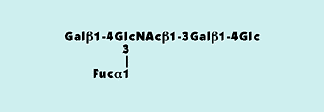
    Analyzing Glycan Structures with Mass Spectrometry: A transformative development in Bioconjugation and Drug Discovery

    Introduction

    Glycosylation is an crucial publish-translational change that severely influences protein perform, stability, and interplay with different biomolecules. The elaborate nature of glycosylation profiles adds complexity to the gain knowledge of of glycoproteomics, tremendously inside the contexts of drug trend and bioconjugation. Mass spectrometry (MS) has emerged as a effectual software for inspecting these glycosylation styles, delivering researchers with insights that had been beforehand impossible.

    In this article, we delve into the nuances of glycosylation profiling as a result of mass spectrometry, inspecting its implications for bioconjugation and drug construction. We will discover a considerable number of elements equivalent to glycan mapping, glycoengineering, monoclonal Visit this link antibodies, and therapeutic glycoproteins. By the quit of this exploration, you will comprehend why analyzing glycosylation profiles with mass spectrometry is even handed a sport changer in those fields.

    Understanding Glycosylation

    What is Glycosylation?

    Glycosylation refers back to the enzymatic activity via which carbohydrates (glycans) are covalently connected to proteins or lipids. This change plays a crucial function in mobile purposes which include cellular telephone signaling, immune response, and protein folding.

    Types of Glycosylation

  • N-associated Glycosylation: Occurs whilst glycans connect to nitrogen atoms in asparagine residues.
  • O-connected Glycosylation: Involves attachments to the oxygen atom in serine or threonine residues.
  • C-connected Glycosylation: A less overall variety in which sugars are related rapidly to carbon atoms on tryptophan residues.
  • Why is Glycosylation Important?

    The presence and shape of glycans can outcomes protein conformation, biological activity, and even immunogenicity. Understanding those platforms is critical for coming up strong therapeutics.

    Analyzing Glycosylation Profiles with Mass Spectrometry: A Game Changer in Bioconjugation and Drug Development

    Mass spectrometry lets in for high-choice diagnosis of glycan buildings hooked up to proteins. This technological know-how permits researchers to ascertain now not just the presence of glycans yet also their definite arrangements—guide valuable for both know-how ailment mechanisms and designing detailed healing procedures.

    How Does Mass Spectrometry Work?

    Mass spectrometry operates by way of ionizing chemical species and sorting them centered on their mass-to-charge ratio (m/z). In the context of glycoproteomics:

  • Sample Preparation: Proteins are remoted from biological samples.
  • Enzymatic Digestion: Proteins are digested into peptides the usage of enzymes like trypsin.
  • Glycan Release: Glycans could be launched from proteins simply by genuine enzymes or chemical equipment.
  • Ionization: The released glycans are ionized riding ideas comparable to MALDI-TOF or ESI.
  • Analysis: The resulting ions are analyzed to decide their molecular weights and platforms.
  • Benefits of Using Mass Spectrometry for Glycan Profiling

    • Sensitivity: Capable of detecting low-abundance glycans.
    • Specificity: Provides distinctive structural files approximately amazing glycoforms.
    • Speed: Rapid analysis in comparison to traditional systems.

    The Role of Mass Spectrometry in Glycoproteomics

    Defining Glycoproteomics

    Glycoproteomics combines proteomics—mastering proteins—and glycobiology—the look at of carbohydrates—to grant a finished view of all glycopeptides present in a given sample.

    Techniques Used in Glycoproteomic Analysis

  • Glycan Profiling: Determining the composition and shape of glycans connected to proteins.
  • Glycoform Analysis: Identifying distinctive paperwork (glycoforms) that a selected protein can take by reason of various glycan attachments.
  • Carbohydrate-Protein Interactions: Studying how distinct carbohydrate constructions affect protein interactions.
  • Applications in Drug Development

    Therapeutic Protein Engineering

    Mass spectrometry facilitates the design of glycoengineered biologics with the aid of permitting scientists to manipulate glycan structures deliberately in the course of protein synthesis.

    Examples contain:

    • Antibody-drug conjugates
    • Enhanced monoclonal antibodies

    Glycan-Based Therapeutics

    Understanding glycan systems can lead to new healing approaches focused on precise diseases with the aid of carbohydrate antigens that elicit immune responses.

    Bioconjugation Techniques Enhanced through Mass Spectrometry

    What is Bioconjugation?

    Bioconjugation refers back to the system wherein biomolecules are covalently linked mutually—many times proteins with medicine or imaging marketers—to raise therapeutic efficacy or monitoring talents.

    Types of Bioconjugates Analyzed as a result of Mass Spectrometry

  • Antibody-drug Conjugates (ADCs): Designed for concentrated shipping of cytotoxic dealers.
  • Enzyme-Linked Immunosorbent Assays (ELISA): Utilize conjugated enzymes for detection reasons.
  • Challenges Faced in Analyzing Glycosylation Profiles

    Despite its blessings, numerous demanding situations continue to be while studying glycosylation profiles:

  • Complexity of Structures: The sizable array of doable glycan mixtures complicates analysis.
  • Sample Heterogeneity: Variability among samples can cause inconsistent effects.
  • Data Interpretation: Requires specialized information for excellent interpretation.
  • FAQ Section

    1. What does mass spectrometry identify related to glycans?

    Mass spectrometry identifies equally the presence and layout of glycans connected to proteins, supplying insights into their useful roles.

    2. How does mass spectrometry make a contribution to drug improvement?

    It can provide crucial info about glycan buildings that impression drug efficacy, balance, and immunogenicity—needed factors while setting up new therapeutics.

    3. What is the magnitude of N-related vs O-connected glycosylation?

    N-related glycans as a rule play roles in protein folding and stability whilst O-related glycans by and large influence telephone signaling pathways; figuring out each types facilitates elucidate protein functionality accurately.

    four. Can mass spectrometry differentiate among equivalent glycans?

    Yes, advanced MS approaches can distinguish among carefully same glycan structures centered on their pleasing mass-to-price ratios.

    five. Why are glycoengineering ways important?

    They permit researchers to adjust glycan systems intentionally on therapeutic proteins editing their effectiveness or decreasing edge outcomes.

    6. How does lectin affinity chromatography relate to mass spectrometry?

    Lectin affinity chromatography isolates specific glycoproteins primarily based on sugar-binding houses formerly they undergo mass spectrometric research for targeted profiling.

    Conclusion

    Analyzing glycosylation profiles with mass spectrometry represents a pivotal advancement in bioconjugation approaches and drug progression tactics by means of presenting genuine structural insights into elaborate carbohydrate variations on proteins. As our knowledge deepens through chronic learn efforts applying these complex methodologies, we can even unveil novel therapeutic applicants more desirable tailored for targeted sickness ambitions—at last getting better sufferer effect with the aid of smarter design possible choices grounded in cast clinical rules surrounding glycobiology.

    This article offers an in depth exam into how analyzing glycosylation profiles utilizing mass spectrometry has converted techniques within bioconjugate technology and pharmaceutical innovation procedures alike!

    Compare Assays lab reagents for research


    Suppliers for Lab reagents


    NATtrol Human Parvovirus B19 (1,000,000 IU/mL) (1 mL)

    NATPARVO-0003 Zeptometrix 1 mL

    NATtrol Human Parvovirus B19 (10,000,000 IU/mL) (1 mL)

    NATPARVO-0004 Zeptometrix 1 mL

    NATtrol Human Parvovirus B19 (100,000,000 IU/mL) (1 mL)

    NATPARVO-0005 Zeptometrix 1 mL

    NATtrol Campylobacter jejuni (Stool Matrix) (0.5 mL)

    NATCJE-GP Zeptometrix 0.5 mL

    NATtrol Coronavirus 229E Stock (Qualitative) (1 mL)

    NATCOV(229E)-ST Zeptometrix 1 mL

    NATtrol Adenovirus Type 40 (Stool Matrix) (0.5 mL)

    NATADV40-GP Zeptometrix 0.5 mL

    NATtrol Adenovirus Type 41 (Stool Matrix) (0.5 mL)

    NATADV41-GP Zeptometrix 0.5 mL


    Polyclonal YY1 polyclonal antibody

    APR14018G Leading Biology 0.1ml 580.8 EUR

    Polyclonal PML polyclonal antibody

    AMR09397G Leading Biology 0.05mg 580.8 EUR

    Polyclonal ETO polyclonal antibody

    APR00372G Leading Biology 0.05ml 580.8 EUR

    Polyclonal SHH Polyclonal Antibody

    APR00434G Leading Biology 0.1mg 580.8 EUR

    Polyclonal ETO polyclonal antibody

    APR00435G Leading Biology 0.1ml 633.6 EUR

    Polyclonal p53 polyclonal antibody

    APR00443G Leading Biology 0.05mg 633.6 EUR

    Polyclonal G9a polyclonal antibody

    APR00448G Leading Biology 0.1ml 580.8 EUR

    Polyclonal SOX4 polyclonal antibody

    APR13475G Leading Biology 0.1ml 580.8 EUR


    Our used monoclonals in Pubmed.

    Test Product

    ZX001 AAT Bioquest 1mg Ask for price

    Test Product

    ZX002 AAT Bioquest 5mg Ask for price

    LISTERIA TEST

    AKE0007 Diatheva 96 TEST-1 PLATE 795.7 EUR

    Syphilis Test

    GCSYP-402 Orient Gene 25 Tests/Box Ask for price

    Chlamydia Test

    GCCHL-502 Orient Gene 25 Tests/Box Ask for price


    Compare monoclonal lab reagents for research


    Suppliers for Lab Assays


    BV-GR-LBD. Recombinant baculovirus expressing Glucocorticoid receptor LBD.

    S33 AB Vector LLC 1 ml
    Description: Drug discovery, Nuclear receptors, baculovirus

    BV-GR. Recombinant baculovirus expressing Glucocorticoid receptor.

    S35 AB Vector LLC 1 ml
    Description: Drug discovery, Nuclear receptors, baculovirus

    BV-PXR-LBD. Recombinant baculovirus expressing Pregnane X receptor LBD.

    S36 AB Vector LLC 1 ml
    Description: Drug discovery, Nuclear receptors, baculovirus

    BV-AhR. Recombinant baculovirus expressing Aryl hydrocarbon receptor LBD.

    S41 AB Vector LLC 1 ml
    Description: Drug discovery, Nuclear receptors, baculovirus

    AhR-LBD. Purified GST-tagged human Arylhydrocarbon receptor LBD in complex with Hsp90. Applications: Ligand-binding and coregulator displacement assays.

    SAh90 AB Vector LLC 50 ug
    Description: Drug discovery, Nuclear receptors, purified recombinant protein

    ERb-LBD (Hsp90). Purified GST-tagged human Estrogen receptor beta LBD in complex with Hsp90. Applications: ligand-binding and coregulator displacement studies.

    SEb90 AB Vector LLC 50 ug
    Description: Drug discovery, Nuclear receptors, purified recombinant protein

    ERa-LBD (Hsp90). Purified GST-tagged human Estrogen receptor alpha LBD in complex with Hsp90. Applications: Ligand-binding and coregulator displacement assays.

    SEa90 AB Vector LLC 50 ug
    Description: Drug discovery, Nuclear receptors, purified recombinant protein


    Polyclonal YY1 polyclonal antibody

    APR14018G Leading Biology 0.1ml 580.8 EUR

    Polyclonal PML polyclonal antibody

    AMR09397G Leading Biology 0.05mg 580.8 EUR

    Polyclonal ETO polyclonal antibody

    APR00372G Leading Biology 0.05ml 580.8 EUR

    Polyclonal SHH Polyclonal Antibody

    APR00434G Leading Biology 0.1mg 580.8 EUR

    Polyclonal ETO polyclonal antibody

    APR00435G Leading Biology 0.1ml 633.6 EUR

    Polyclonal p53 polyclonal antibody

    APR00443G Leading Biology 0.05mg 633.6 EUR

    Polyclonal G9a polyclonal antibody

    APR00448G Leading Biology 0.1ml 580.8 EUR

    Polyclonal SOX4 polyclonal antibody

    APR13475G Leading Biology 0.1ml 580.8 EUR


    Our used References in Pubmed.

    CTAG2 Recombinant Protein (Mouse) (Recombinant-P Tag)

    RP126446 ABM 100 ug Ask for price

    CTAG2 Recombinant Protein (Human) (Recombinant-P Tag)

    RP053376 ABM 100 ug Ask for price

    S. aureus Recombinant Protein A Recombinant Protein

    PROTB3GGB2 BosterBio 20ug 243 EUR

    TWEAK, recombinant / TNFSF12, recombinant (Human) - ELISA Kit

    EK-054-85 PHOENIX PEPTIDE 96 wells 660.96 EUR

    Mouse Recombinant anti-Rat CD3 Recombinant Antibody

    xAP-0878 Angio Proteomie 100ug 280 EUR


    Compare polyclonal lab reagents for research


    Suppliers for Lab reagents


    fix RNA*

    E0280-02 EURx 200ml

    fix RNA*

    E0280-03 EURx 500ml

    PVAI RNA

    D3019-100μg Beyotime Biotech Inc 100 µg

    PVAI RNA

    D3019-1μg Beyotime Biotech Inc 1 μg

    RNA Beads

    abx298002-100g Abbexa 100 µg

    RNA Beads

    20-abx298002 Abbexa
    • 1 ml
    • 5 ml
    • 60 ml

    RNA Beads

    abx298002-20g Abbexa 20 µg


    Recombinant Humanp21 Recombinant Protein

    92-035 ProSci 0.05 mg 821.4 EUR

    TWEAK, recombinant / TNFSF12, recombinant (Human)

    054-85 PHOENIX PEPTIDE 10 μg 261.36 EUR

    TAGLN Recombinant Protein (Rat) (Recombinant- Tag)

    RP232205 ABM 100 ug Ask for price

    TAGLN2 Recombinant Protein (Rat) (Recombinant Tag)

    RP232208 ABM 100 ug Ask for price

    TAGLN3 Recombinant Protein (Rat) (Recombinant Tag)

    RP232211 ABM 100 ug Ask for price

    TAGLN3 Recombinant Protein (Rat) (Recombinant Tag)

    RP232214 ABM 100 ug Ask for price

    TAGAP Recombinant Protein (Human) (Recombinant- Tag)

    RP043930 ABM 100 ug Ask for price

    TAGAP Recombinant Protein (Human) (Recombinant- Tag)

    RP030880 ABM 100 ug Ask for price


    Our used recombinants in Pubmed.

    Anti HGF Pab

    165607 Antibody Research Corporation 100 µg Ask for price

    Anti IL6 Pab

    165622 Antibody Research Corporation 100 µg Ask for price

    Anti IL8 Pab

    165623 Antibody Research Corporation 100 µg Ask for price

    Anti KBA 62 Pab

    165628 Antibody Research Corporation 100 µg Ask for price

    Anti LBP Pab

    165632 Antibody Research Corporation 100 µg Ask for price


    Compare polyclonal lab reagents for research


    Suppliers for Lab ELISAs


    HIV-1 REV

    GWB-C080E6 GenWay Biotech 0.1 mg

    TAT (HIV-1)

    GWB-D5D417 GenWay Biotech 0.1 mg

    HIV-1 p24

    hiv-006 ProSpec Tany 100µg
    Description: Recombinant HIV-1 p24

    HIV-1 CRF

    hiv-008 ProSpec Tany 2µg
    Description: HIV-1 Circulating Recombinant Form

    HIV-1 GAG

    hiv-010 ProSpec Tany 2µg
    Description: Recombinant HIV-1 GAG Full Length

    HIV-2 gag

    hiv-015 ProSpec Tany 100µg
    Description: Recombinant HIV-2 gag

    HIV-1 p30

    hiv-016 ProSpec Tany 100µg
    Description: Recombinant HIV-1 p30


    REC-1

    ABC-TC0956 AcceGen 1 vial Ask for price

    rec Antibody

    CSB-PA895131XA01DLU-02mg Cusabio 0.2mg Ask for price

    rec Antibody

    CSB-PA895131XA01DLU-10mg Cusabio 10mg Ask for price

    pGADT7-Rec

    PVTY00072 Nova Lifetech 2ug 280 EUR

    REC-2615 (HCl)

    530142 MedKoo Biosciences 10.0mg 295 EUR

    rec-8 Antibody

    CSB-PA634282XA01CXY-02mg Cusabio 0.2mg Ask for price

    rec-8 Antibody

    CSB-PA634282XA01CXY-10mg Cusabio 10mg Ask for price

    Rec FLA-ST

    tlrl-flic-10 InvivoGen FR 10 µg 295.05 EUR


    Our used antibodies in Pubmed.

    Polyclonal EZH2 polyclonal antibody

    APR00439G Leading Biology 0.05mg 633.6 EUR

    Polyclonal CHD4 polyclonal antibody

    APR00444G Leading Biology 0.1ml 580.8 EUR

    Polyclonal BRD2 polyclonal antibody

    APR00447G Leading Biology 0.1ml 580.8 EUR

    Polyclonal Hira polyclonal antibody

    APR00449G Leading Biology 0.1ml 580.8 EUR

    Polyclonal SPI1 polyclonal antibody

    APR00451G Leading Biology 0.1ml 580.8 EUR